Understand
Global Problems
The great challenges of our time are not separate problems. Climate, biodiversity, water, food, demographics, technology, security, economy and resources interact continuously. Understanding these connections is essential to acting on causes and not only on effects.
A snapshot of the present
The world today
Global temperature
+1.44 °C
compared to the 1850–1900 pre-industrial average, year 2025
2025 · Source: WMO — 2026
Atmospheric CO₂
431.44 ppm
monthly average at Mauna Loa, June 2026
2026 · Source: NOAA Global Monitoring Laboratory — 2026
Biodiversity
−73%
average size of monitored vertebrate populations from 1970 to 2020
2024 · Source: Living Planet Index 2024 — ZSL/WWF
World population
≈ 8.3 billion
estimated world population in 2026
2026 · Source: UN DESA — World Population Prospects 2024
Nuclear weapons
12,187
warheads in the world inventory, January 2026
2026 · Source: SIPRI Yearbook 2026
Earth Overshoot Day
30 July 2026
the day humanity's annual demand exceeds what Earth can regenerate that year
2026 · Source: Global Footprint Network — 2026
Everything is connected
Ten areas that influence each other
Ten interconnected areas. The lines show that two problems can influence each other directly or indirectly, sometimes in both directions. Tap an area to see its connections and why they exist.
Connected to
Biodiversity loss
Warming shifts habitats and seasons faster than many species can adapt; degraded ecosystems absorb less carbon, which adds to warming.
Water
More intense droughts and irregular rainfall can reduce water availability, while melting glaciers alter the water reserves of entire river basins.
Food
Extreme temperatures and weather events can reduce crop yields; in turn, the food system is a significant source of greenhouse gases.
Resources and consumption
How much energy and materials we consume drives most emissions; an unstable climate in turn makes access to many resources costlier and less predictable.
Global cooperation
Climate is a problem no single state can solve alone: without shared agreements policies remain partial, and climate crises can in turn weaken trust between countries.
Nuclear risk
Climate crises, migration and competition for resources can raise geopolitical tensions; a nuclear conflict would have global climate consequences.
Inequalities
Climate impacts hit hardest those with fewest resources to protect themselves, while emissions are concentrated in the consumption of the wealthiest.
Connected to
Climate change
Warming shifts habitats and seasons faster than many species can adapt; degraded ecosystems absorb less carbon, which adds to warming.
Water
Rivers, wetlands and aquifers are essential habitats: over-extraction and pollution reduce aquatic life, and the loss of ecosystems weakens the land's ability to retain and filter water.
Food
Intensive agriculture is among the main causes of habitat loss; at the same time, it depends on pollinators, healthy soils and genetic diversity.
Resources and consumption
Material extraction, fishing and land use take space and resources away from ecosystems, reducing their ability to regenerate.
Global cooperation
Species, seas and forests do not follow political borders: protecting them requires shared rules among countries.
Connected to
Climate change
More intense droughts and irregular rainfall can reduce water availability, while melting glaciers alter the water reserves of entire river basins.
Biodiversity loss
Rivers, wetlands and aquifers are essential habitats: over-extraction and pollution reduce aquatic life, and the loss of ecosystems weakens the land's ability to retain and filter water.
Food
Agriculture is the largest user of freshwater: water scarcity can reduce crop yields, and farming practices can in turn deplete or pollute water supplies.
Demographics
Where population grows or concentrates in cities, water demand rises; water scarcity can in turn push people to move.
Connected to
Climate change
Extreme temperatures and weather events can reduce crop yields; in turn, the food system is a significant source of greenhouse gases.
Biodiversity loss
Intensive agriculture is among the main causes of habitat loss; at the same time, it depends on pollinators, healthy soils and genetic diversity.
Water
Agriculture is the largest user of freshwater: water scarcity can reduce crop yields, and farming practices can in turn deplete or pollute water supplies.
Demographics
How much food is needed, and what kind, depends on population size and lifestyles; food insecurity can influence migration and demographic trends.
Resources and consumption
Producing food requires land, water, energy and fertilizers; waste and resource-intensive diets increase overall pressure on resources.
Nuclear risk
A nuclear conflict could alter climate and harvests on a global scale; food crises can in turn fuel political instability.
Inequalities
Access to food depends on income and prices: food shocks hit the poorest first and can widen existing gaps.
Connected to
Water
Where population grows or concentrates in cities, water demand rises; water scarcity can in turn push people to move.
Food
How much food is needed, and what kind, depends on population size and lifestyles; food insecurity can influence migration and demographic trends.
Inequalities
Population growth, aging and migration interact with the distribution of income, jobs and services, while deep inequalities can in turn influence demographic trends.
Resources and consumption
Population size, urbanization and lifestyles determine how much energy, water and material resources are consumed.
Connected to
Climate change
Climate crises, migration and competition for resources can raise geopolitical tensions; a nuclear conflict would have global climate consequences.
Food
A nuclear conflict could alter climate and harvests on a global scale; food crises can in turn fuel political instability.
Global cooperation
Arms control depends on treaties and mutual trust: when cooperation weakens, the risk of escalation rises.
Artificial intelligence
AI can affect military systems, cyberattacks, command and control, and the speed of decision-making, changing the risk of escalation.
Connected to
Nuclear risk
AI can affect military systems, cyberattacks, command and control, and the speed of decision-making, changing the risk of escalation.
Inequalities
Unequal access to technology and the concentration of its control can widen economic inequalities and disparities in power, including through their effects on employment.
Global cooperation
Safe use of artificial intelligence requires shared rules among countries and companies; without cooperation, competition can encourage rushed releases.
Resources and consumption
Training and running large AI systems requires energy, water for cooling and materials; AI can also help use resources more efficiently.
Connected to
Demographics
Population growth, aging and migration interact with the distribution of income, jobs and services, while deep inequalities can in turn influence demographic trends.
Artificial intelligence
Unequal access to technology and the concentration of its control can widen economic inequalities and disparities in power, including through their effects on employment.
Food
Access to food depends on income and prices: food shocks hit the poorest first and can widen existing gaps.
Resources and consumption
Resource consumption differs sharply between countries and income groups: those who consume least often suffer the most environmental damage.
Climate change
Climate impacts hit hardest those with fewest resources to protect themselves, while emissions are concentrated in the consumption of the wealthiest.
Global cooperation
Deep inequalities reduce trust and make shared agreements harder; without cooperation the gaps between countries tend to widen.
Connected to
Climate change
How much energy and materials we consume drives most emissions; an unstable climate in turn makes access to many resources costlier and less predictable.
Biodiversity loss
Material extraction, fishing and land use take space and resources away from ecosystems, reducing their ability to regenerate.
Food
Producing food requires land, water, energy and fertilizers; waste and resource-intensive diets increase overall pressure on resources.
Demographics
Population size, urbanization and lifestyles determine how much energy, water and material resources are consumed.
Artificial intelligence
Training and running large AI systems requires energy, water for cooling and materials; AI can also help use resources more efficiently.
Inequalities
Resource consumption differs sharply between countries and income groups: those who consume least often suffer the most environmental damage.
Connected to
Climate change
Climate is a problem no single state can solve alone: without shared agreements policies remain partial, and climate crises can in turn weaken trust between countries.
Nuclear risk
Arms control depends on treaties and mutual trust: when cooperation weakens, the risk of escalation rises.
Artificial intelligence
Safe use of artificial intelligence requires shared rules among countries and companies; without cooperation, competition can encourage rushed releases.
Inequalities
Deep inequalities reduce trust and make shared agreements harder; without cooperation the gaps between countries tend to widen.
Biodiversity loss
Species, seas and forests do not follow political borders: protecting them requires shared rules among countries.
The connections shown are possible, observed or plausible relationships — not automatic outcomes. They help identify where an intervention can also produce effects elsewhere.
The challenges
The 10 great global challenges
Open each card to read why it matters and what it's connected to.
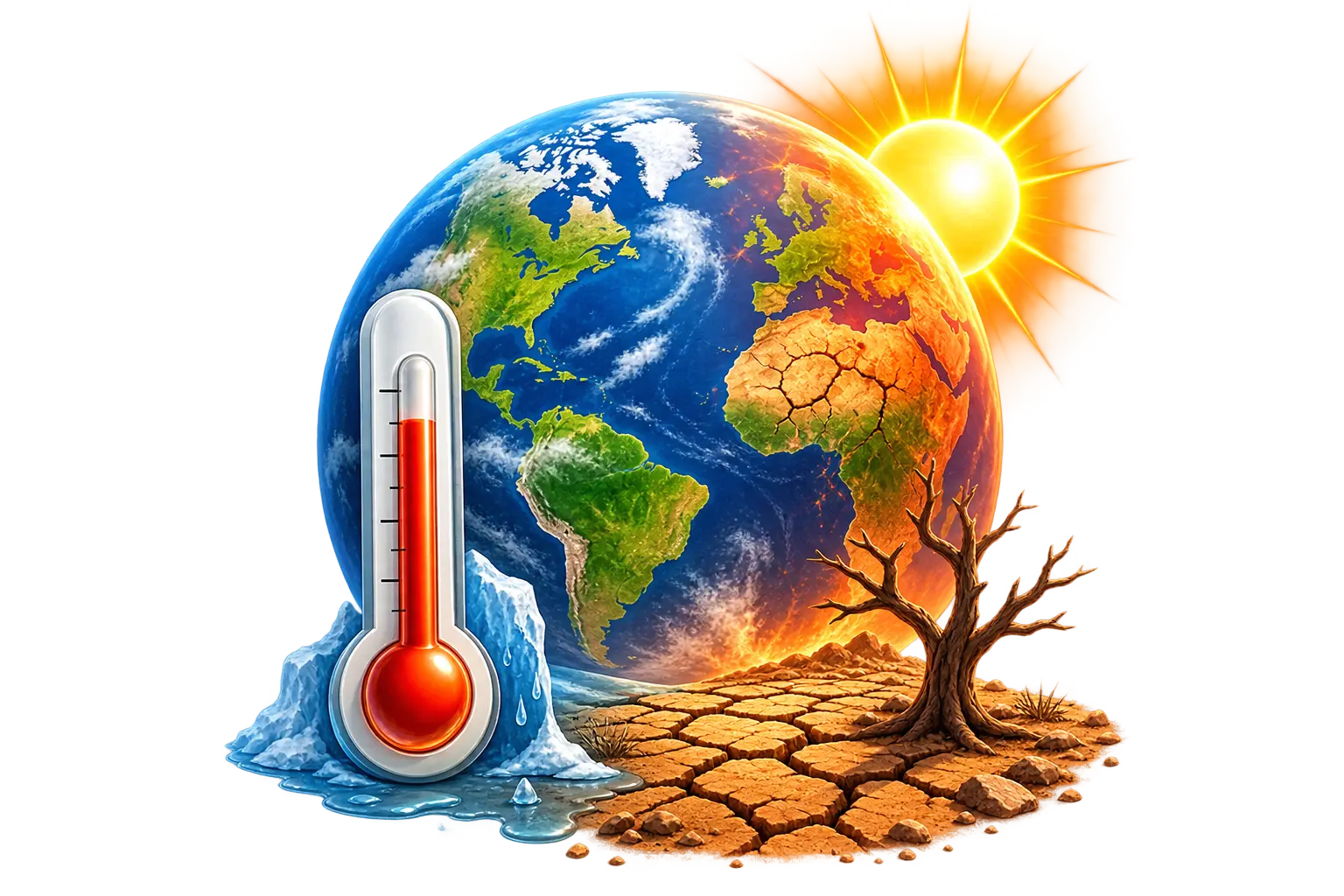
Climate change
In 2025 the global average temperature was around 1.44 °C above the 1850–1900 average.
Source: WMO — 2026
The increase in greenhouse gases produced by human activity is altering the Earth's climate. Higher temperatures, extreme events, melting ice and rising sea levels are already affecting ecosystems and human societies.
Why it matters
- Water and food — Droughts, irregular rainfall and extreme temperatures can reduce water availability and agricultural output.
- Ecosystems and biodiversity — Climate change alters habitats and environmental conditions faster than many species can adapt.
- Society and the economy — Extreme events, loss of livable land and infrastructure damage can drive up costs, migration and instability.
Connected to
Water · Food · Biodiversity · Migration · Economy · Global cooperation
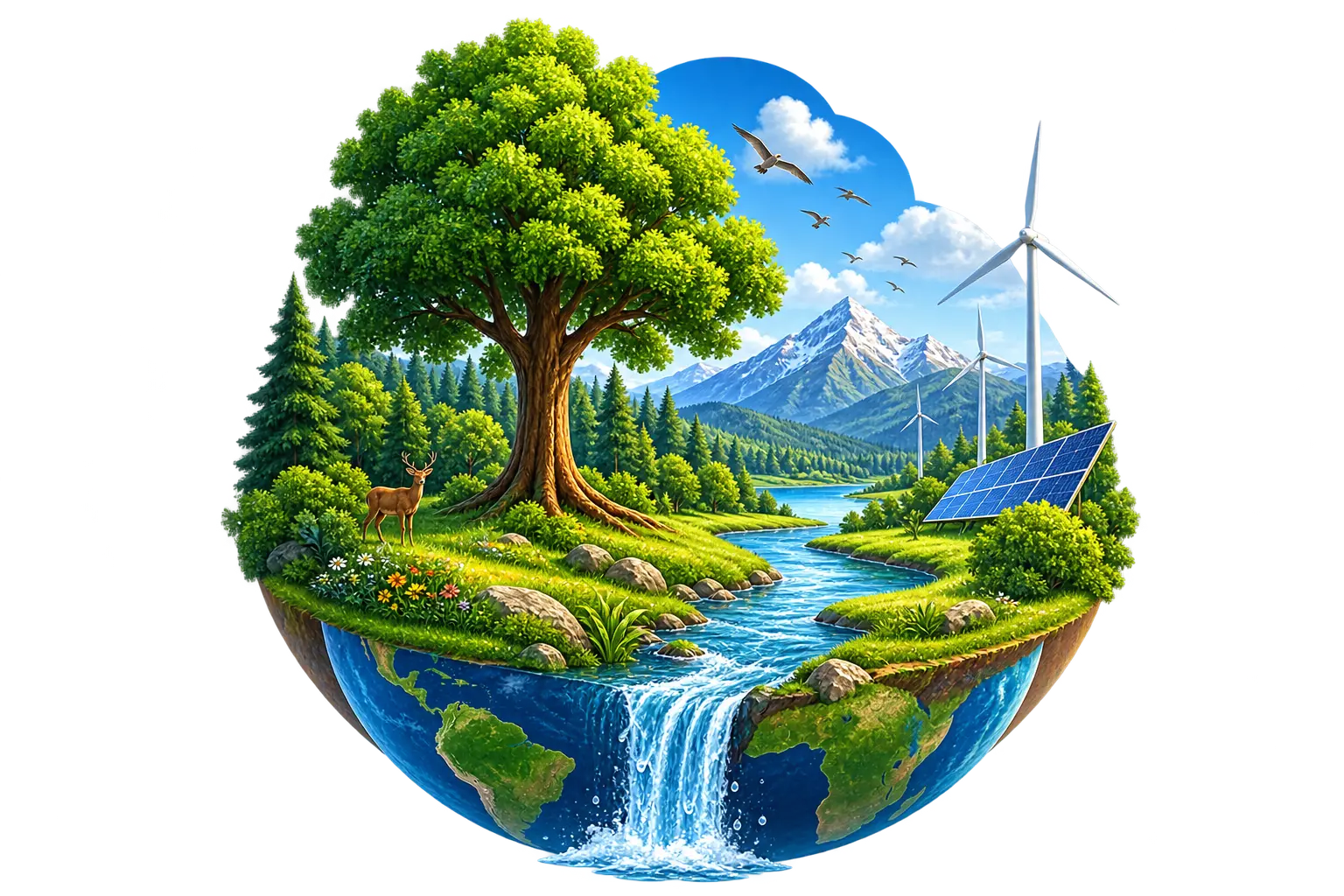
Biodiversity loss
Biodiversity is declining at a rate unprecedented in recent human history.
Habitat destruction, resource overexploitation, pollution, invasive species and climate change are reducing the variety of life and weakening the ecosystems we depend on.
Why it matters
- Ecosystems and natural services — Pollination, soil fertility, clean water and climate regulation all depend on functioning ecosystems.
- Food — Less diversified farming systems are more exposed to pests, disease and climate shocks.
- Resilience — Less biological variety means ecosystems have a reduced capacity to absorb change and crises.
Connected to
Climate · Water · Food · Resources and consumption · Demographics
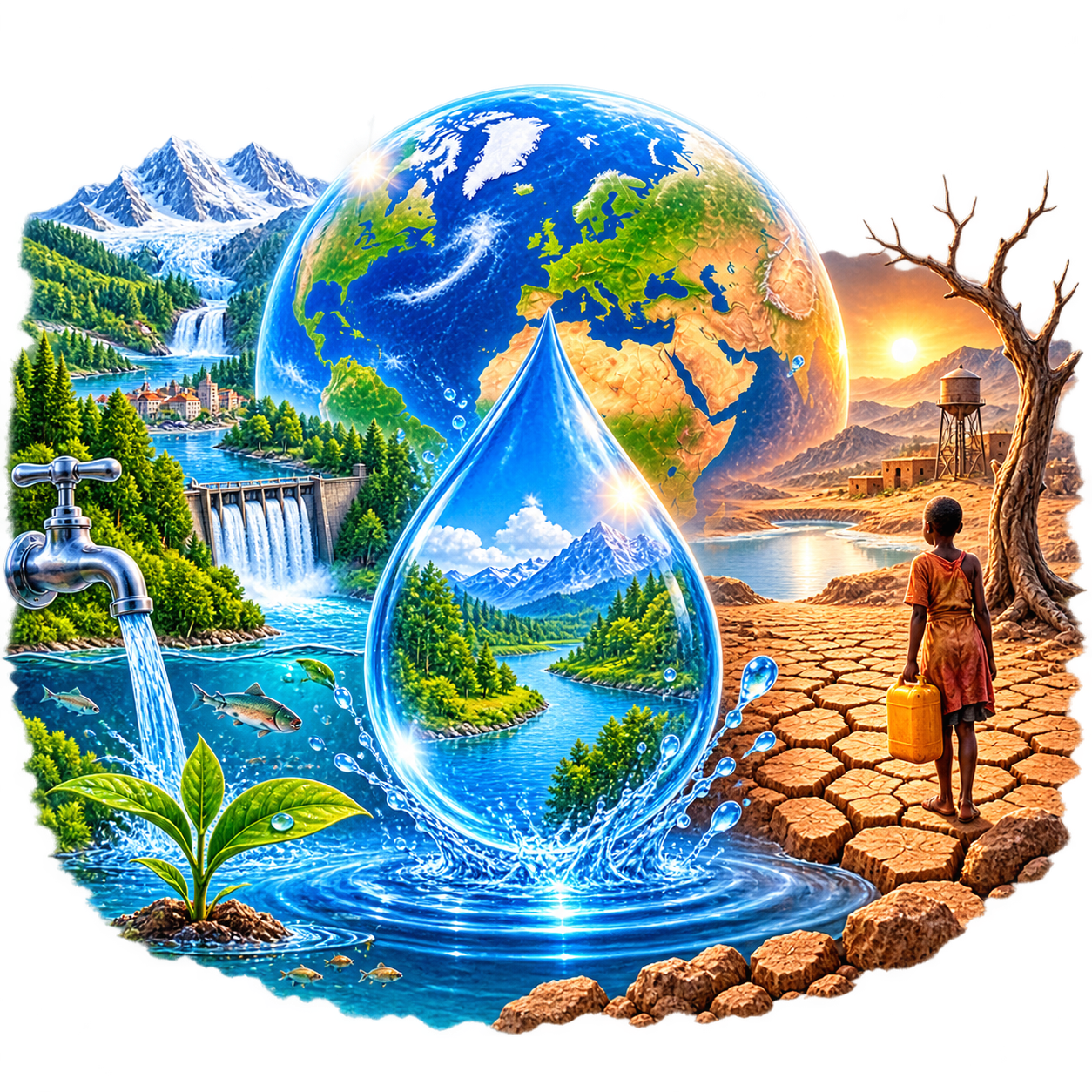
Water
Billions of people already live under water stress for at least part of the year.
Available freshwater is limited and very unevenly distributed. Climate change, rising demand, pollution and poor management are increasing the pressure on a resource essential to life.
Why it matters
- Health — Access to drinking water and sanitation remains a basic condition for people's health.
- Food — Agriculture is the largest user of freshwater: less water means more uncertain harvests.
- Ecosystems and social stability — Rivers, lakes and aquifers sustain ecosystems and economic activity; scarcity can generate tension.
Connected to
Climate · Food · Demographics · Biodiversity · Global cooperation
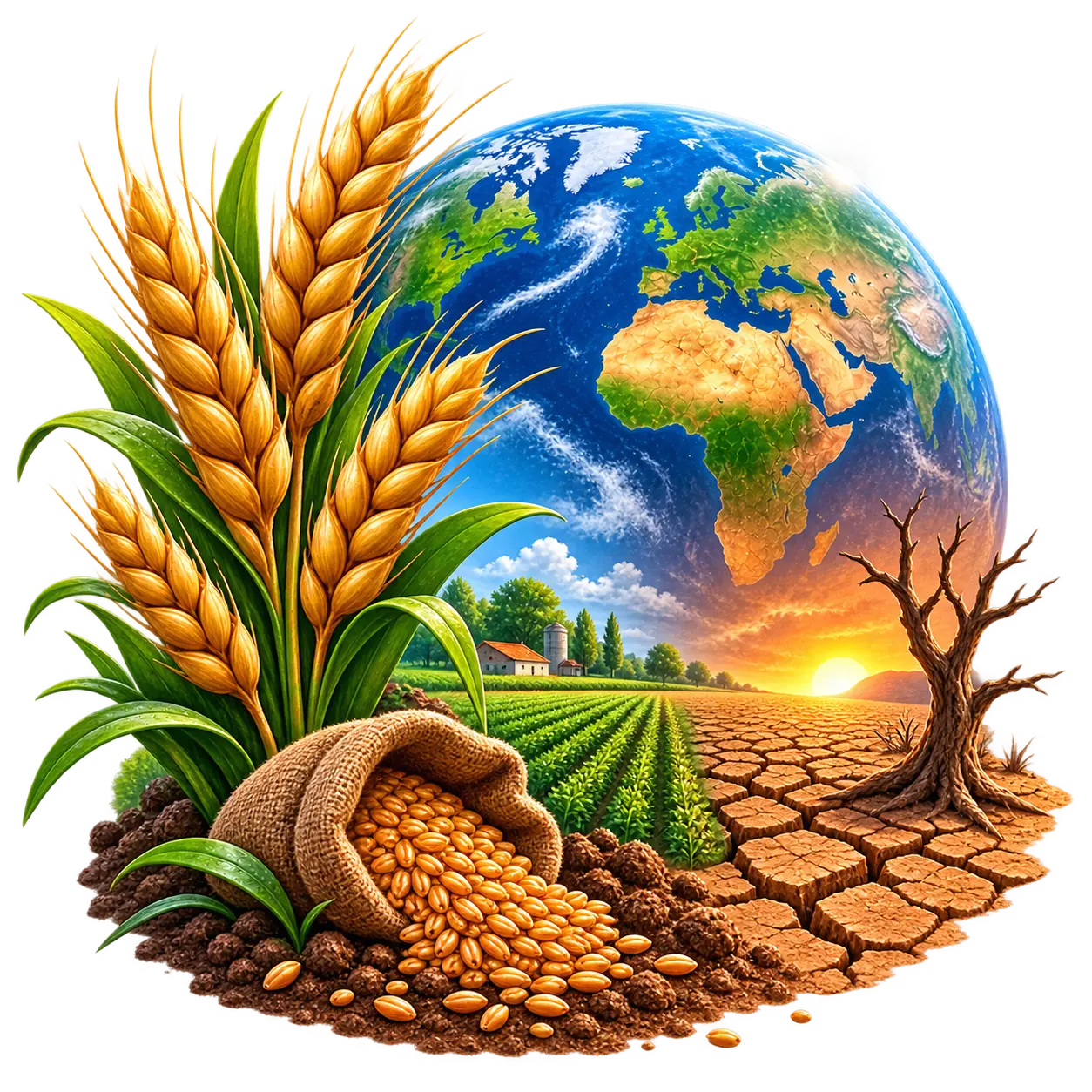
Food
The food system must feed billions of people while at the same time reducing its impact on the planet.
Farming and livestock rearing depend on climate, water, soil and biodiversity, but can in turn contribute to their degradation. Waste and unequal distribution make the problem even more complex.
Why it matters
- Hunger and malnutrition — Food availability is not just a matter of quantity produced, but also of access and distribution.
- Land use — Producing food occupies a very large share of usable land.
- Environment and health — Emissions, fertilizers, water use and habitat loss are all linked to how we produce food.
Connected to
Climate · Water · Biodiversity · Demographics · Resources and consumption
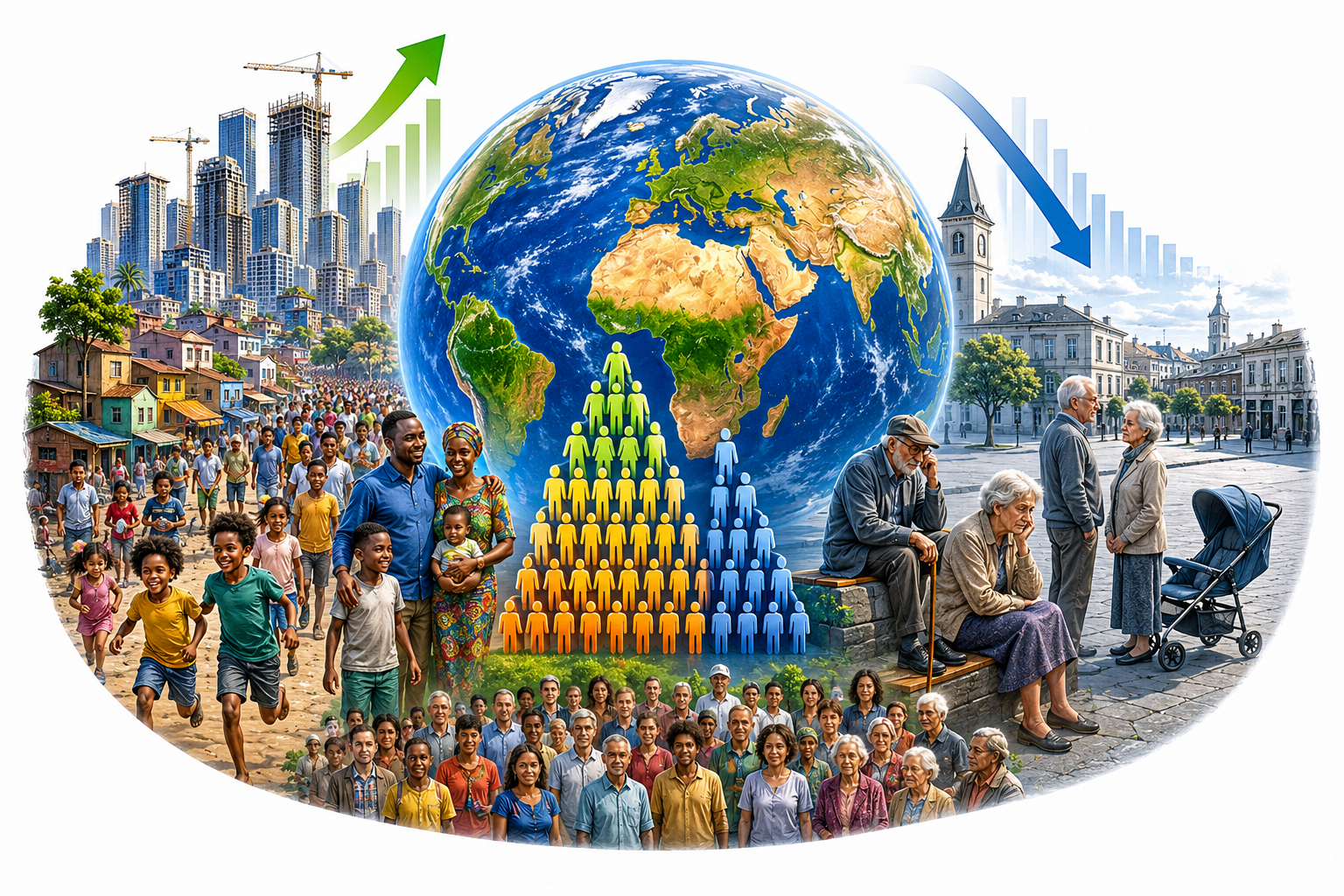
Demographics
The world's population continues to change, but in profoundly different ways across regions.
Some countries face rapid population growth and heavy pressure on services and resources; others face declining birth rates and ageing populations. There is therefore no single global “demographic problem”.
Why it matters
- Resources — How many people consume, and how, affects the overall pressure on the planet.
- Services and cities — Schools, healthcare, housing and transport must adapt to populations that are growing or ageing.
- Economy and generations — The balance between generations affects work, welfare and the capacity to invest in the future.
Connected to
Food · Water · Inequalities · Resources and consumption · Climate
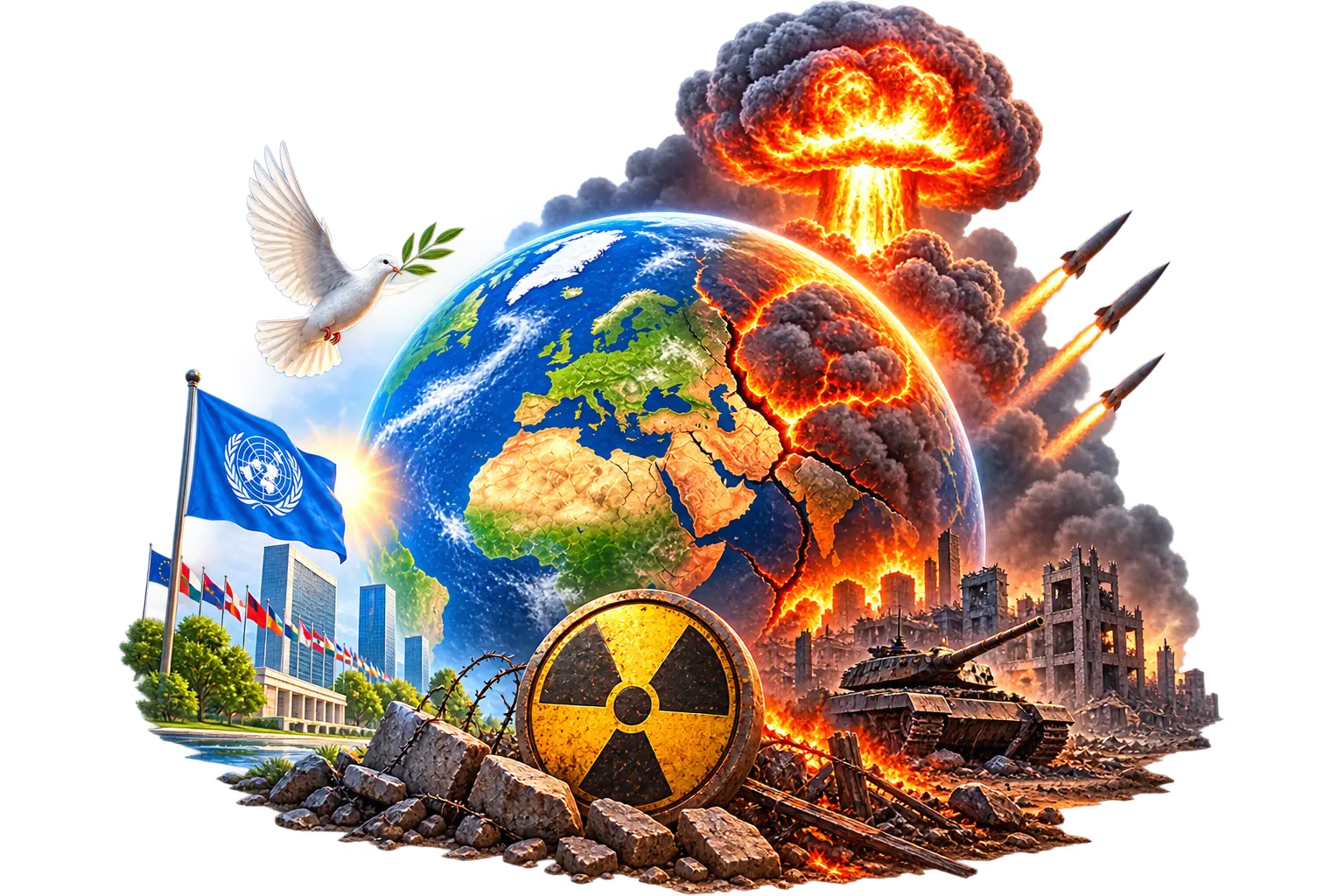
Nuclear risk
Nuclear arsenals capable of causing global consequences still exist.
A nuclear conflict could cause not only immediate destruction, but climatic, food, economic and humanitarian effects capable of extending well beyond the countries directly involved.
Why it matters
- Immediate destruction — The direct effects on cities and populations would be beyond comparison with other acts of war.
- Global consequences — Scientific studies point to possible effects on climate and harvests even far from the conflict.
- Escalation risk — Errors, accidents and fast-moving crises reduce the time available for careful decisions.
Connected to
Food · Climate · Inequalities · Global cooperation · AI
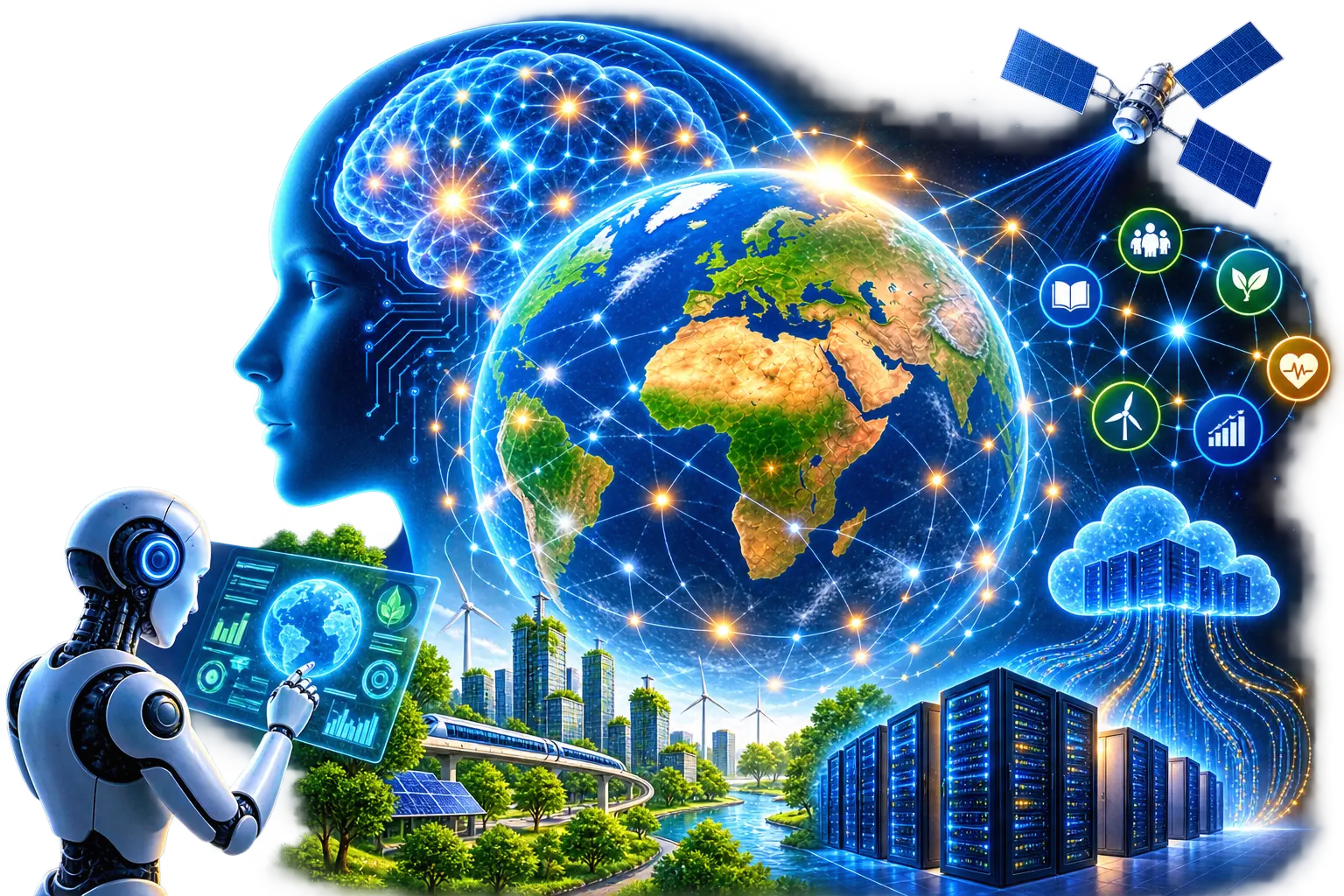
Artificial intelligence
The capabilities of AI systems are growing rapidly and their impact touches an ever-increasing number of human activities.
Artificial intelligence can accelerate research and solutions, but it can also amplify disinformation, concentration of power, military risks and other problems if increasingly powerful systems are developed without adequate safeguards.
Why it matters
- Information and democracy — Synthetic content and manipulation of information can weaken public debate.
- Work and the economy — Automation changes jobs and skills and can concentrate benefits in few hands.
- Security — Military use and critical applications require clear rules, checks and accountability.
Connected to
Inequalities · Energy · Nuclear risk · Global cooperation
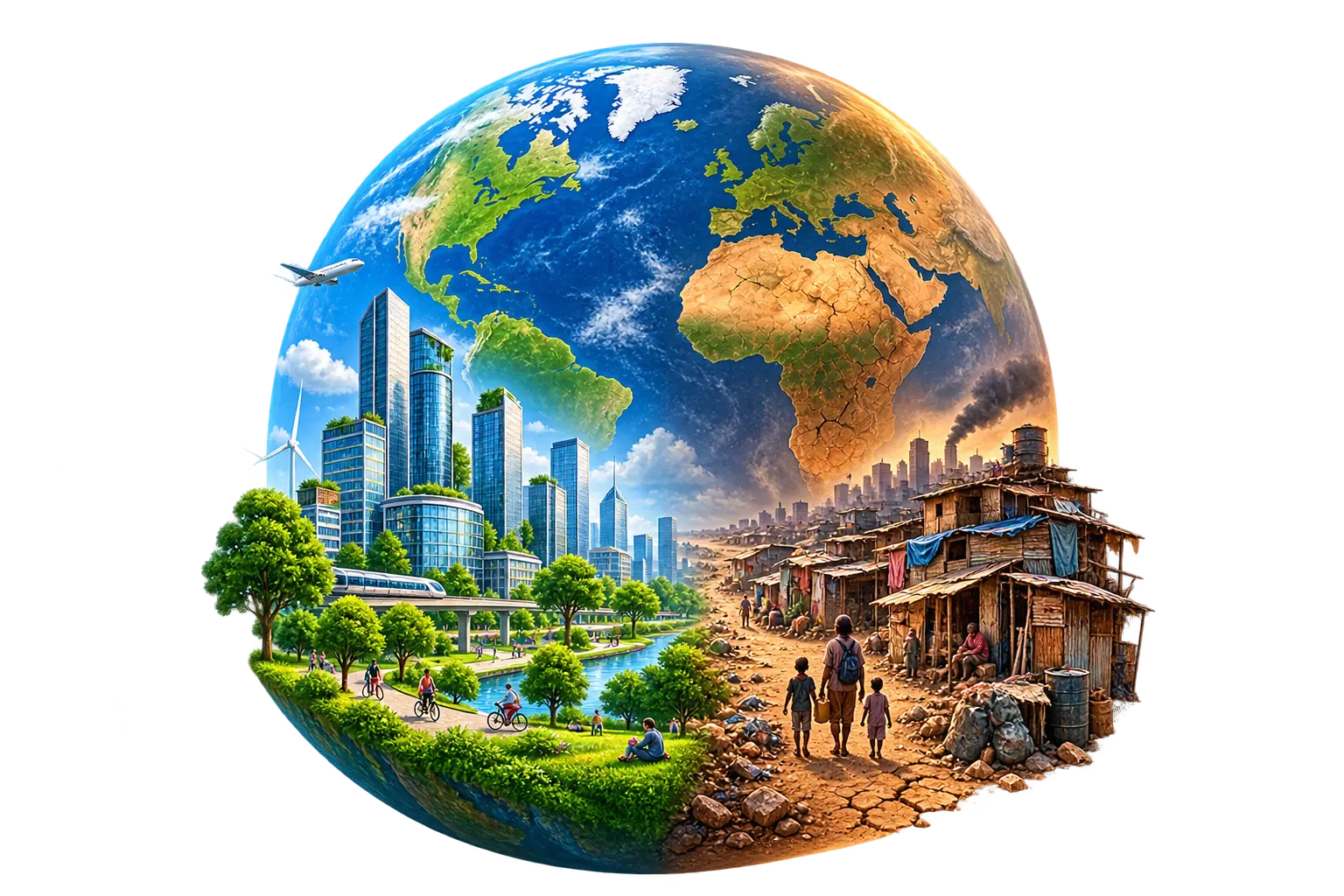
Inequalities
Wealth, opportunity and access to resources remain extremely unevenly distributed.
Inequalities are not only about income. Access to education, health, energy, water, technology and the ability to take part in decisions all deeply affect people's opportunities.
Why it matters
- Social cohesion — Very wide gaps can weaken trust, participation and stability.
- Opportunity — Where a person is born still strongly affects health, education and income.
- Capacity to cope with crises — Those with fewer resources are more exposed to the effects of climate, health and economic crises.
Connected to
Demographics · Food · Resources and consumption · Climate · Global cooperation
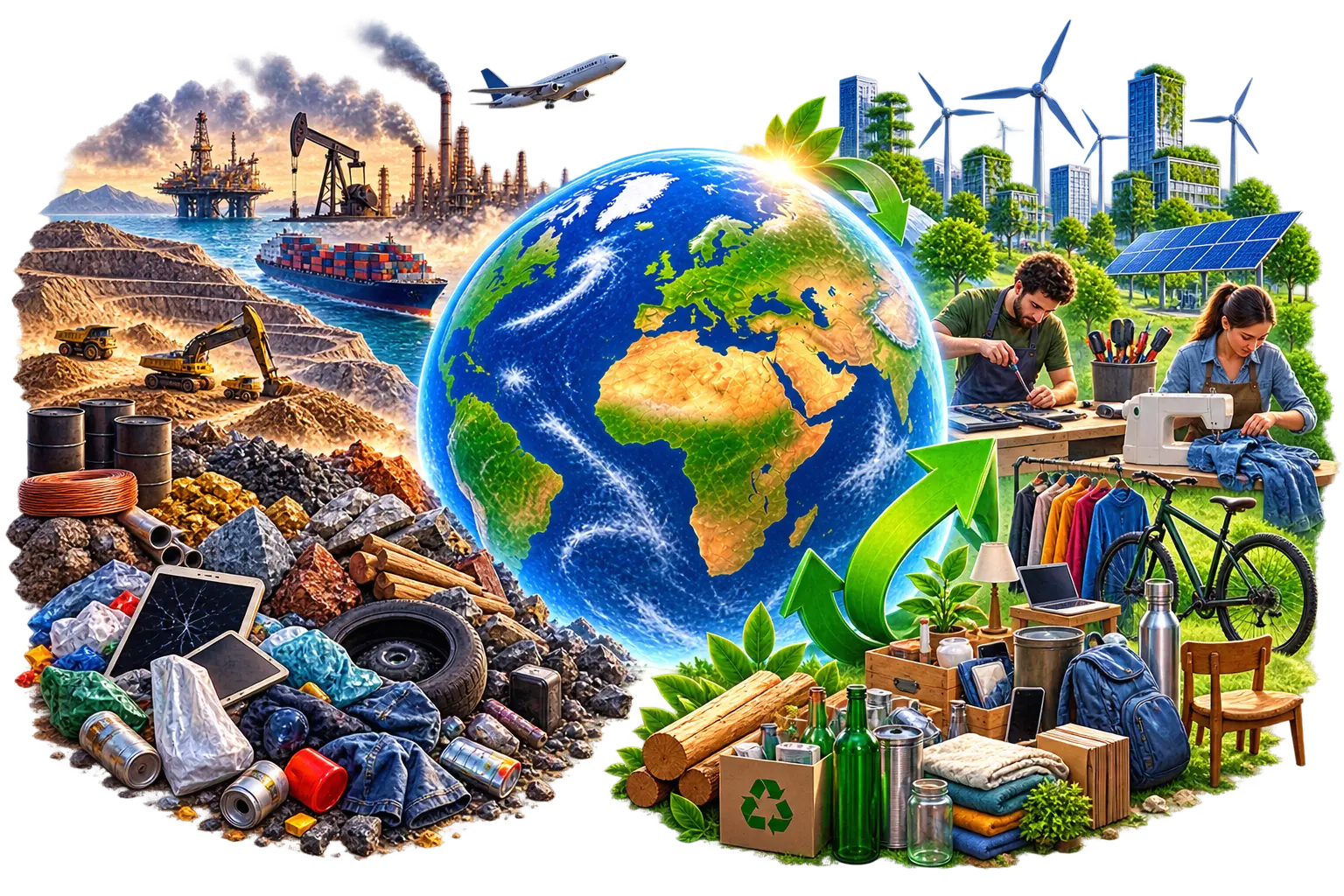
Resources and consumption
A finite planet cannot indefinitely sustain unlimited growth in material use and waste production.
The linear “extract → produce → consume → discard” model uses vast amounts of energy and raw materials and generates waste and pollution. The problem depends both on how much we consume and on how we produce.
Why it matters
- Raw materials — Metals, minerals and rare earths are limited and concentrated in a few areas of the world.
- Pollution — Waste, plastics and chemicals accumulate in air, water and soil.
- Pressure on ecosystems — Extraction and production alter land, habitats and natural cycles.
Connected to
Climate · Biodiversity · Food · Inequalities · Demographics
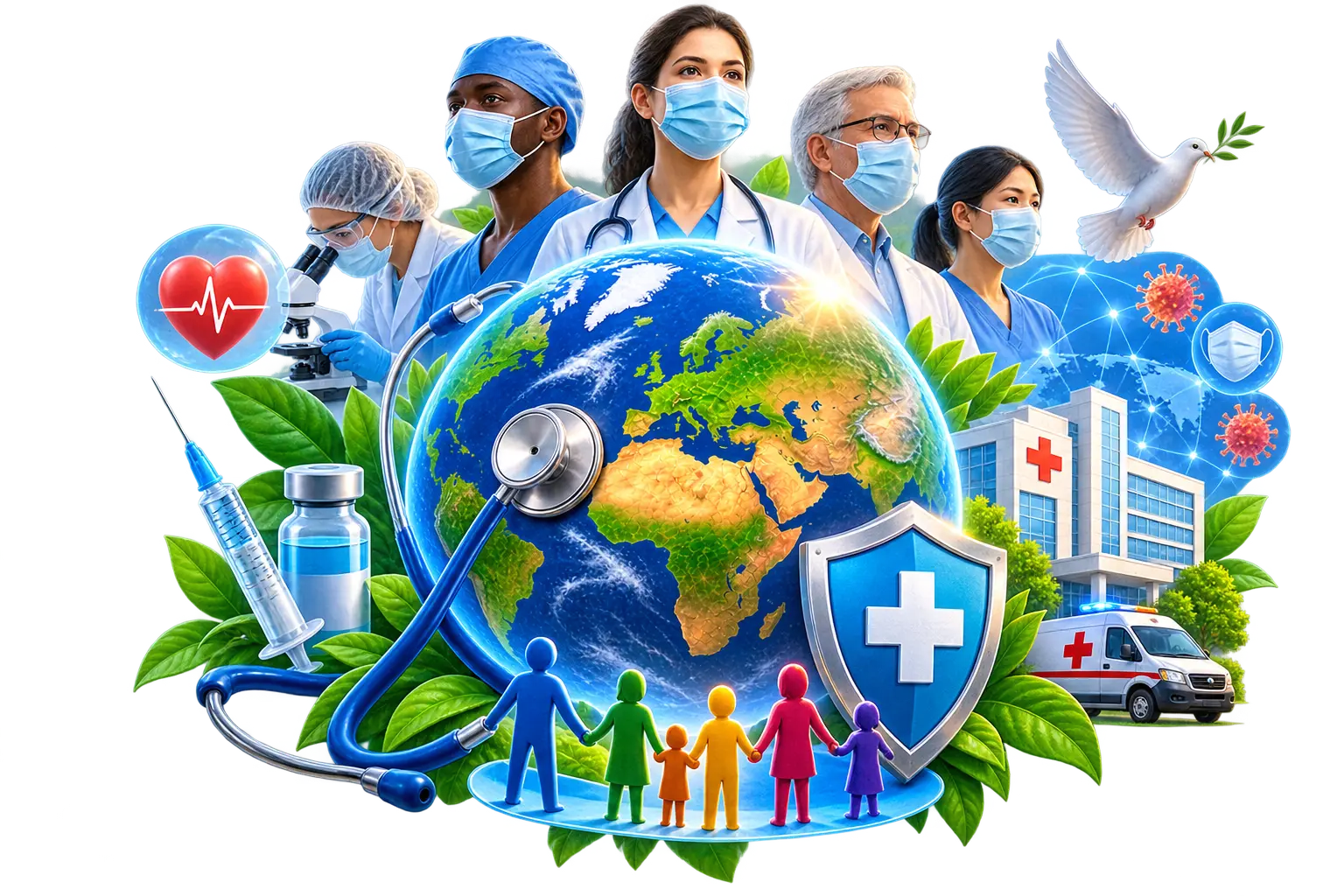
Global cooperation
Many of the most important problems, such as pandemics, cross national borders, while most decision-making power remains national.
Climate, nuclear risk, AI, biodiversity and other global challenges require coordinated decisions. But diverging interests, rivalries and often insufficient international tools make it difficult to act with the speed and continuity needed.
Why it matters
- Shared decisions — Shared problems require shared goals, not just voluntary commitments.
- Compliance with agreements — Without verification and continuity, commitments risk remaining mere declarations.
- Capacity to act — Resources, expertise and tools capable of acting at a global scale are needed.
Connected to
All nine other challenges
Consequences
Every action has consequences
The sequences below are not inevitable fates: they are possible relationships, useful for seeing how an effect can become the cause of another.
Climate
- Climate
- Drought
- Hunger
- Migration
- Instability
- Conflicts
Deforestation
- Deforestation
- Loss of pollinators
- Lower harvests
- Hunger
- Migration
Biodiversity and pandemics
- Biodiversity loss
- Higher zoonotic risk
- Pandemics
- Economic crises
- Instability
Fossil fuels
- Fossil fuels
- Rising CO₂
- Global warming
- Extreme events
- Economic damage
Artificial intelligence
- Unregulated AI
- Disinformation
- Polarisation
- Instability
- Conflicts
Nuclear war
- Nuclear war
- Nuclear winter
- Crop collapse
- Global hunger
- Humanitarian crisis
Once we understand the connections, it becomes clear that tackling only the effects is not enough. Building a better future requires acting on the causes.
Global problems are different from one another. Their roots, often, are the same.
The time factor
The future also depends on when we act
Not all problems evolve at the same speed. Some changes can still be corrected relatively soon; others produce consequences that last decades, centuries, or become difficult to reverse. That is why time is a fundamental part of our decisions.
2026
Today
The choices are still open
We can act on the causes, invest in solutions and change the direction of many trends.
2030
This decade
The nearest decisions matter greatly
Energy, emissions, ecosystems, security and the governance of new technologies require decisions that produce effects within the next few years.
2050
A generation
The consequences become more visible
Much of today's infrastructure will still be in use. Today's choices will shape climate, cities, energy, ecosystems and the economy of the middle of the century.
2100
The world we leave behind
Many people who will be alive then are not yet born
This century's decisions will help determine the environmental, technological and social conditions they will inherit.
The sooner we act on the causes, the greater our chances.
Acting early does not guarantee the outcome. Delaying, however, can narrow the available options and increase costs and difficulties.
Yes. Solutions exist.
Understanding the problems is the first step. The next is understanding what we can do to address them.